Společné faktory a aliance
Ve zkratce
- A stronger alliance is modestly linked to better therapy outcomes across many studies, but the evidence cannot show that the alliance causes the improvement.
- New research suggests early alliance growth may matter especially for clients high in attachment avoidance, while attachment anxiety shows no such link.
- Digital and blended formats can produce strong alliances, but in a brief chatbot intervention alliance did not explain procrastination change and 43.1% reported unwanted effects.
Co platí
z klasik a zavedených studií-
The therapeutic alliance is the working bond between client and therapist, covering agreement on goals and tasks as well as the personal relationship. Across 190 studies and more than 14,000 treatments, a stronger alliance went with better therapy outcomes, with a modest correlation of r = .275 (95% CI .25 to .30). This average link may not hold for every outcome or setting. (Horvath a kol., 2011)
-
The alliance-outcome link is heterogeneous, so its true size probably differs by setting, client group and approach; the evidence does not settle which conditions make the alliance matter more. Most studies measured the alliance during therapy and outcome later, so a correlation cannot show that the alliance caused the improvement. (Horvath a kol., 2011)
-
The evidence does not show that training therapists to improve the alliance improves outcomes, because most studies measured the alliance rather than testing alliance training. (Horvath a kol., 2011)
Co je nového
výzkum z let 2025 a 2026-
upřesňuje přidáno 25. 10.
In 549 clients in primary care, higher attachment avoidance predicted a lower alliance at the start, and steeper alliance growth over the first four sessions predicted greater improvement in avoidant attachment after treatment. Attachment anxiety showed no significant link with alliance formation or with alliance-growth-related change, so the alliance-outcome statement needs to be qualified by client attachment style and early trajectory. (Igra a kol., 2026)
Týká se: The therapeutic alliance is the working bond between client and therapist, covering agreement on goals and… -
upřesňuje přidáno 25. 10.
In an RCT of 835 clients with major depression across nine European countries, blended CBT was no worse than usual face-to-face care over 12 months. Clients rated the working alliance higher in blended CBT (3.97 vs 3.41 out of 5), while therapists rated it higher in usual care (4.09 vs 3.84), showing that strong alliances can form in blended formats and that client and therapist perspectives may diverge. (Riper a kol., 2026)
Týká se: The therapeutic alliance is the working bond between client and therapist, covering agreement on goals and…
Co to znamená pro praxi
- Ask clients directly how the working relationship feels, and address strain openly when it appears.
- Track the alliance session by session in the first four sessions, especially with clients who keep distance or handle problems alone; a slow start does not mean therapy is failing.
- Do not present a good bond as sufficient on its own; keep working on goals, tasks and the client's life outside sessions.
- If you use blended or digital formats, check alliance from both the client's and your own perspective and monitor for unwanted negative effects.
- Treat current AI chatbots as experimental adjuncts rather than replacements for human support.
Co zatím nevíme
- The evidence does not settle which settings, client groups or outcome types make the alliance matter more, nor whether therapists can deliberately speed up alliance growth.
- It remains unclear whether early alliance growth causes attachment change or merely accompanies other processes such as motivation or early symptom relief.
- We do not know how well these findings generalise beyond the studied primary care and European routine-care samples, or to larger and more clinically diverse groups using AI chatbots.
- Long-term safety, optimal supervision and cost-effectiveness of digital and blended formats remain open.
Studie k tématu
Patterns of therapist variability: Therapist effects and the contribution of patient severity and risk.
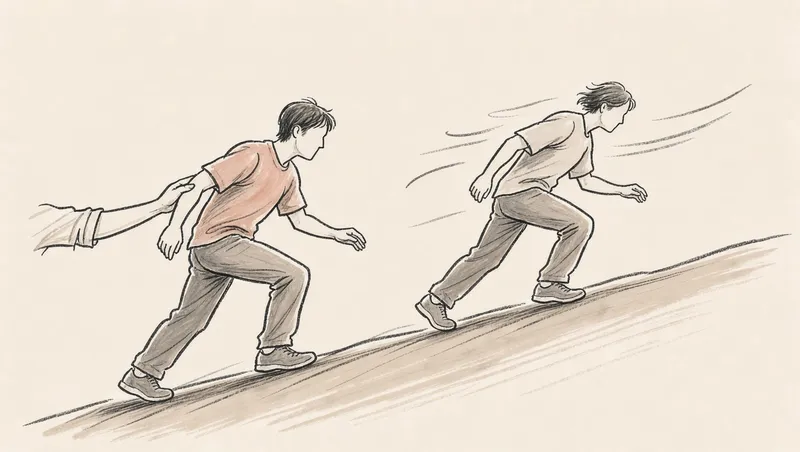
The authors studied 119 therapists and 10,786 clients in UK primary care therapy services.
Alliance in individual psychotherapy.
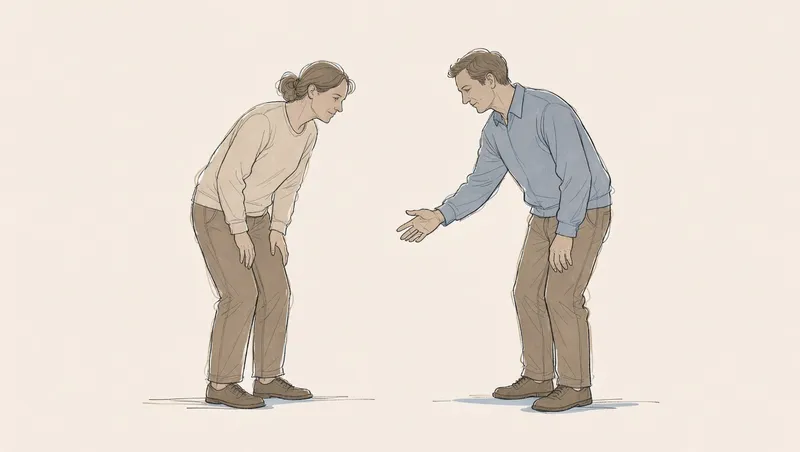
The therapeutic alliance has a small to moderate link with how well individual therapy goes.
Alliance rupture repair: A meta-analysis.

A rupture is a strain or breakdown in the working relationship between client and therapist.
Clinical Effectiveness and Cost-Effectiveness of Blended Treatment for Major Depression Compared With Treatment as Usual Within Routine Care in Europe: A Noninferiority Randomized Controlled Trial.

Blended CBT relieved depression about as well as usual face-to-face therapy in routine care. The trial followed 835 clients in nine European countries for 12 months.
Terapeutická responzivita na disociaci: model reagující na disociaci
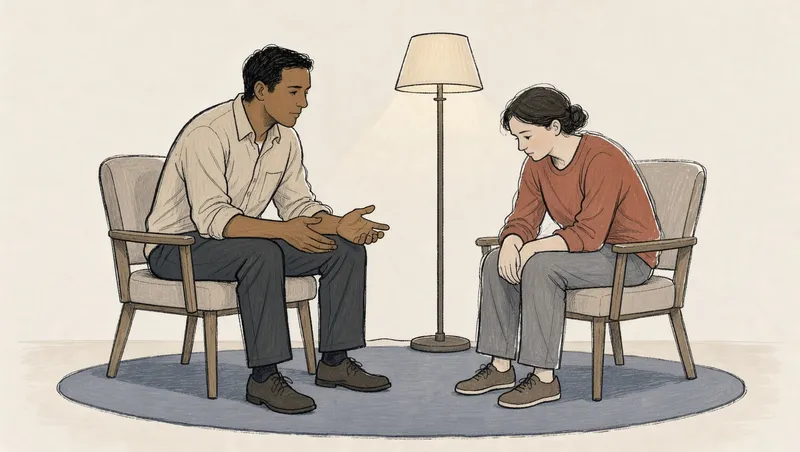
Terapeuti přizpůsobují budování aliance klientům, kteří disociují, už od první schůzky.
Růst terapeutické aliance na začátku terapie a změny stylu připoutání
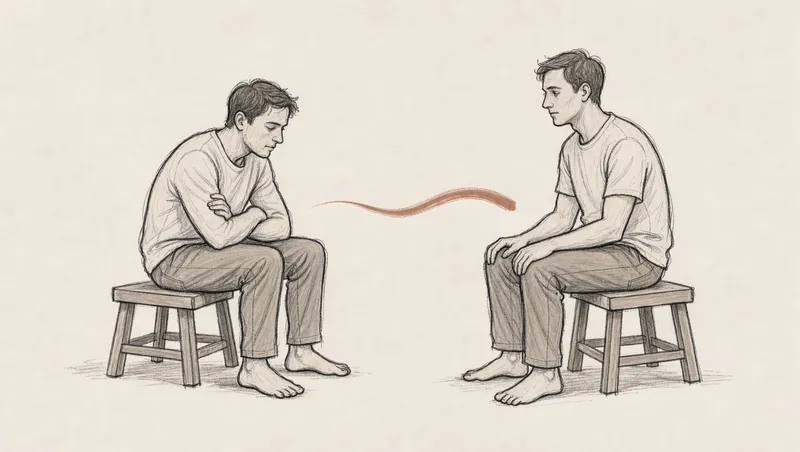
Studie sledovala 549 klientů a 53 terapeutů v zařízení primární péče. Autoři zjišťovali, zda styl připoutání klienta před terapií předpovídá sílu aliance.
Strategie opravy a terapeutická aliance v dětské psychoterapii
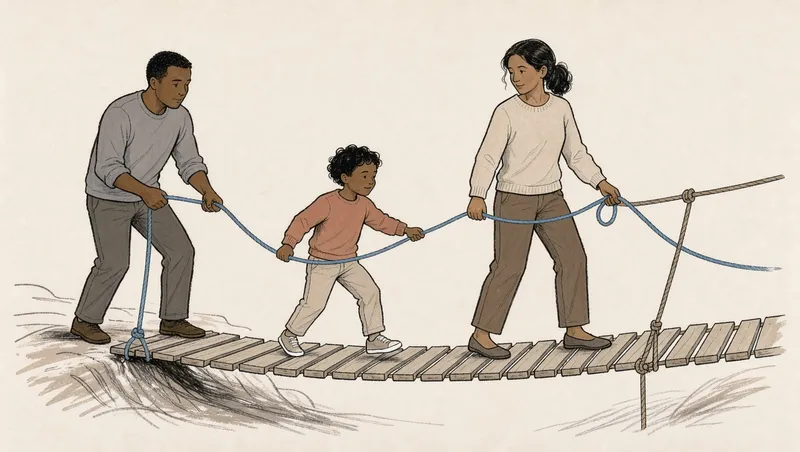
Studie sledovala ruptury a opravy v dětské psychoterapii. Zúčastnilo se 94 terapeutů, kteří popsali jednu seanci s dítětem.
Sledování reakcí na sezení v praxi: česká a slovenská verze SRS-3-B

Krátký dotazník SRS-3-B měří reakce klientů na sezení spolehlivě v češtině i slovenštině. Terapeutovi dává konkrétní zpětnou vazbu, kterou lze probrat přímo s klientem.
Destilo je vzdělávací nástroj. Neslouží jako zdravotní doporučení a nenahrazuje klinickou supervizi.